
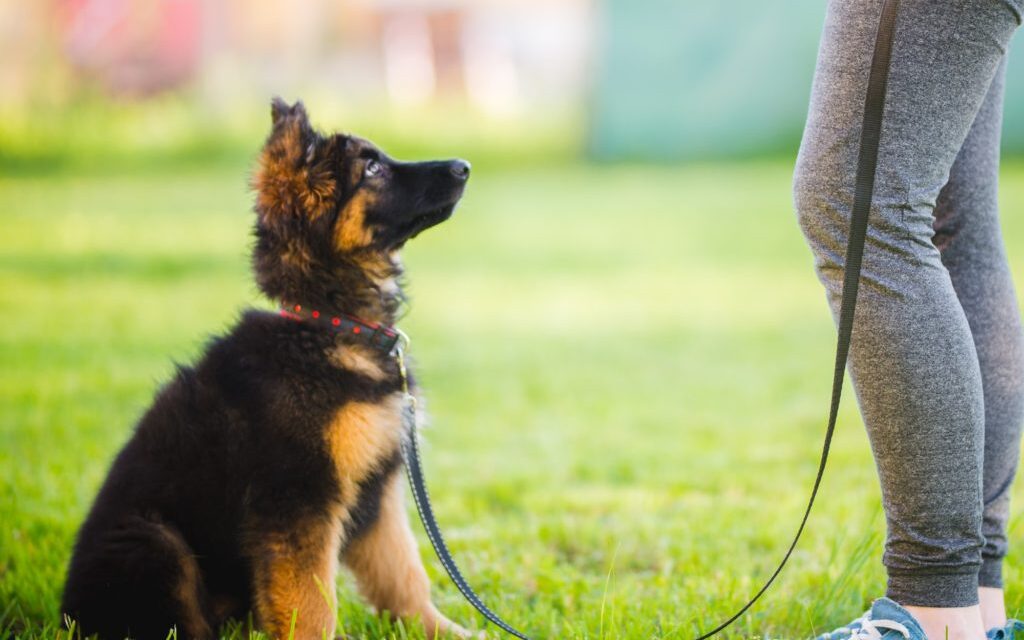
Bringing home a new puppy is exciting, adorable, and sometimes a little chaotic. Between potty accidents, chewing, zoomies, and sleepless nights, many new dog owners quickly realize that puppies do not come pre-programmed with good manners. The good news? With consistency, patience, and the right foundation, your puppy can grow into a confident, well-behaved companion.
At Sage K-9 Ottawa, we believe early training and structure make all the difference. Here are some practical puppy basics and simple tricks to help set your puppy up for success.
1. Start Training Immediately
Many people assume training begins once a puppy is older, but learning starts the moment they come home. Puppies are constantly observing and forming habits during their early development stages. Early training helps prevent unwanted behaviours before they become long-term problems.
Keep training sessions short and fun:
- 5–10 minutes at a time
- Use treats, praise, and play
- Practice daily consistency
Start with basics like:
- Name recognition
- Sit
- Come
- Place
- Leash introduction
2. Create a Consistent Routine
Puppies thrive on structure. Feeding, potty breaks, naps, and bedtime should happen around the same times each day. Consistency helps your puppy feel secure and speeds up learning.
A simple routine can help with:
- Potty training
- Crate training
- Reducing anxiety
- Preventing overstimulation
Young puppies typically need:
- Potty breaks after eating, drinking, sleeping, or playing
- Frequent naps throughout the day
- Predictable meal times
3. Potty Training: Prevention is Key
Accidents happen, but management and supervision are critical. Successful potty training is less about punishment and more about creating opportunities for success.
Helpful potty training tips:
- Take your puppy outside frequently
- Reward immediately after they go outside
- Supervise indoors
- Use a crate appropriately when you cannot supervise
- Clean accidents thoroughly to remove odours
Most puppies improve faster when owners stay proactive rather than reactive.
4. Socialization Matters
The early socialization period is one of the most important stages in a puppy’s life. Positive exposure to people, sounds, surfaces, environments, and other dogs helps build confidence and reduces fear later in life.
Good socialization does not mean overwhelming your puppy. Focus on:
- Calm, positive experiences
- Controlled introductions
- New environments at your puppy’s pace
- Building confidence, not fear
Remember: quality experiences are more important than quantity.
5. Teach Bite Inhibition Early
Puppy biting and nipping are normal, but puppies still need guidance to learn appropriate behaviour. Training bite inhibition early helps prevent rough play from becoming a habit.
When your puppy bites:
- Redirect to a toy
- End play briefly if biting continues
- Reward calm behaviour
- Avoid rough games that encourage hard biting
Consistency from everyone in the household is important.
6. Crate Training Can Be a Game Changer
A crate should feel like a safe, calm place — not punishment. Proper crate training helps with:
- Potty training
- Sleep routines
- Preventing destructive behaviour
- Building independence
Make the crate positive by:
- Feeding meals inside
- Using treats and toys
- Keeping sessions short at first
- Allowing gradual adjustment
Many puppies initially protest the crate, but patience and consistency help them settle over time.
7. Keep Expectations Realistic
Puppies are babies. They will make mistakes, forget commands, chew things they should not, and occasionally test your patience.
Progress is not always linear. Focus on:
- Small wins
- Repetition
- Consistency
- Building trust and communication
Training is not about perfection — it is about creating a strong relationship and teaching your puppy how to succeed in your world.
8. Don’t Be Afraid to Ask for Help
Professional guidance can make puppyhood much less stressful. Group classes and private training help owners learn how to communicate clearly, prevent bad habits, and build confidence with their puppy. Many trainers emphasize that early foundation work helps prevent future behavioural issues.
At Sage K-9 Ottawa, we help owners build strong foundations through practical, real-world puppy training designed to support both dogs and their families.
Final Thoughts
Raising a puppy takes patience, consistency, and a sense of humour. The early months may feel overwhelming at times, but the work you put in now creates the foundation for years of companionship ahead.
Celebrate the small victories, stay consistent, and remember: every training moment is an opportunity to help your puppy become the best version of themselves.